Wearable Telemetry Redefining Cash-Out Moments in Football and Racing Accumulators
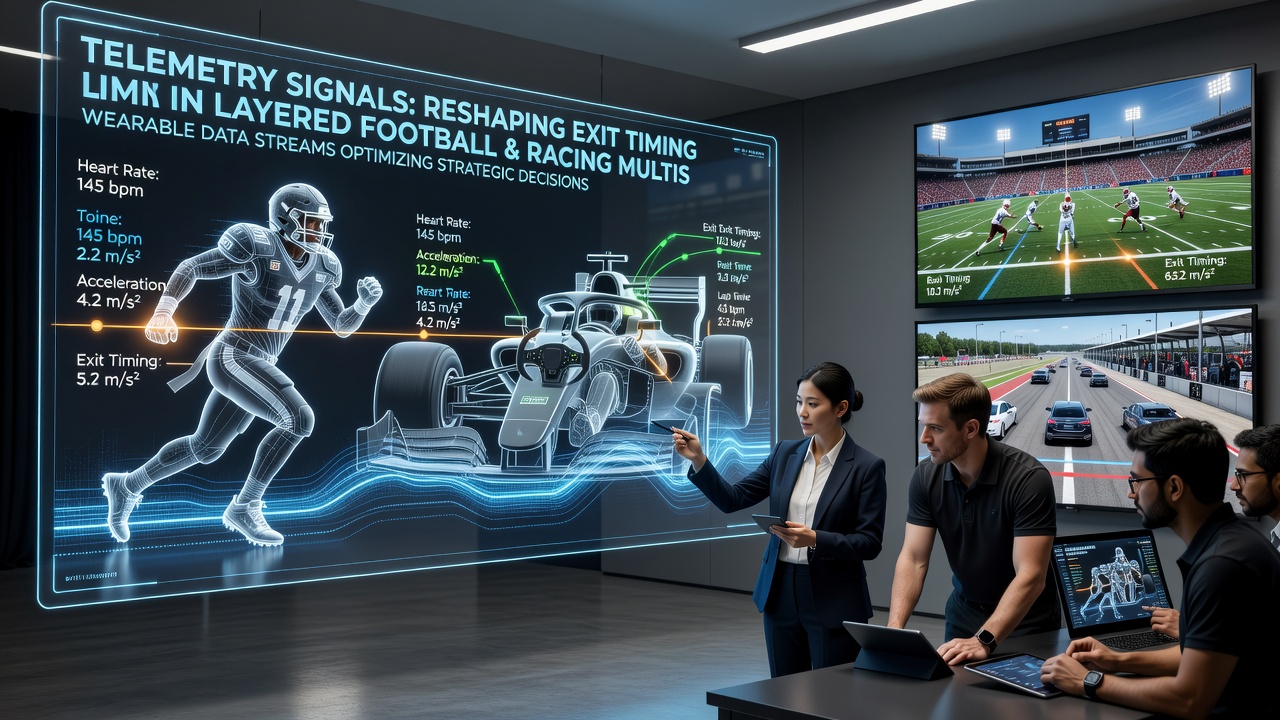
Data from wearable devices now feeds directly into live betting platforms, allowing operators and bettors to adjust exit strategies on multi-leg accumulators that combine football matches with horse races. Sensors track heart-rate variability, muscle load, stride length, and acceleration patterns, then stream those metrics to analytical dashboards that update probability models every few seconds. According to research published by the International Journal of Sports Physiology and Performance, teams using GPS-enabled vests record positional data at 10 hertz, creating datasets that correlate fatigue thresholds with expected performance drops in the final 15 minutes of matches.
Those same data streams reach betting interfaces when accumulators span different sports. A four-leg bet might include two Premier League fixtures and two Group 1 races at Ascot; real-time telemetry from both domains lets systems recalculate implied probabilities after each leg settles or after key performance markers shift. In July 2026, several European data providers began integrating equine biometric collars that measure respiratory rate and gait symmetry, feeding the information into the same accumulator engines used for football.
Football Wearables and Live Probability Adjustments
Professional clubs equip players with chest straps and insoles that capture force-plate data and joint angles. When a midfielder's high-intensity running distance falls below 80 percent of his season average, models adjust the probability of a clean sheet or a late goal conceded. Bettors holding accumulators containing that match see updated cash-out values appear within seconds. Studies conducted at the Norwegian School of Sport Sciences found that incorporating wearable metrics improved the accuracy of in-play goal expectancy models by 12 percent compared with models relying solely on historical xG figures.
Operators apply the same logic across layered multis. When one football leg shows early signs of defensive fatigue through elevated heart-rate recovery times, the system can suggest partial exits before the next race leg begins. This timing matters because horse-racing markets move quickly once the parade ring closes.
Equine Telemetry and Stride Analytics
Racing authorities in Australia and Hong Kong have tested saddle-based sensors since 2024. These devices record stride frequency, peak ground reaction forces, and breathing patterns throughout a race. Data released by Racing Australia in early 2026 showed that horses exhibiting a 15 percent drop in stride length after the 1200-metre mark win only 8 percent of subsequent starts at the same distance. Accumulator platforms now ingest these figures to refine live odds on remaining legs. When a horse's telemetry indicates declining propulsion, the cash-out multiplier on a multi containing that runner adjusts accordingly, often within the same 30-second window used for football updates.
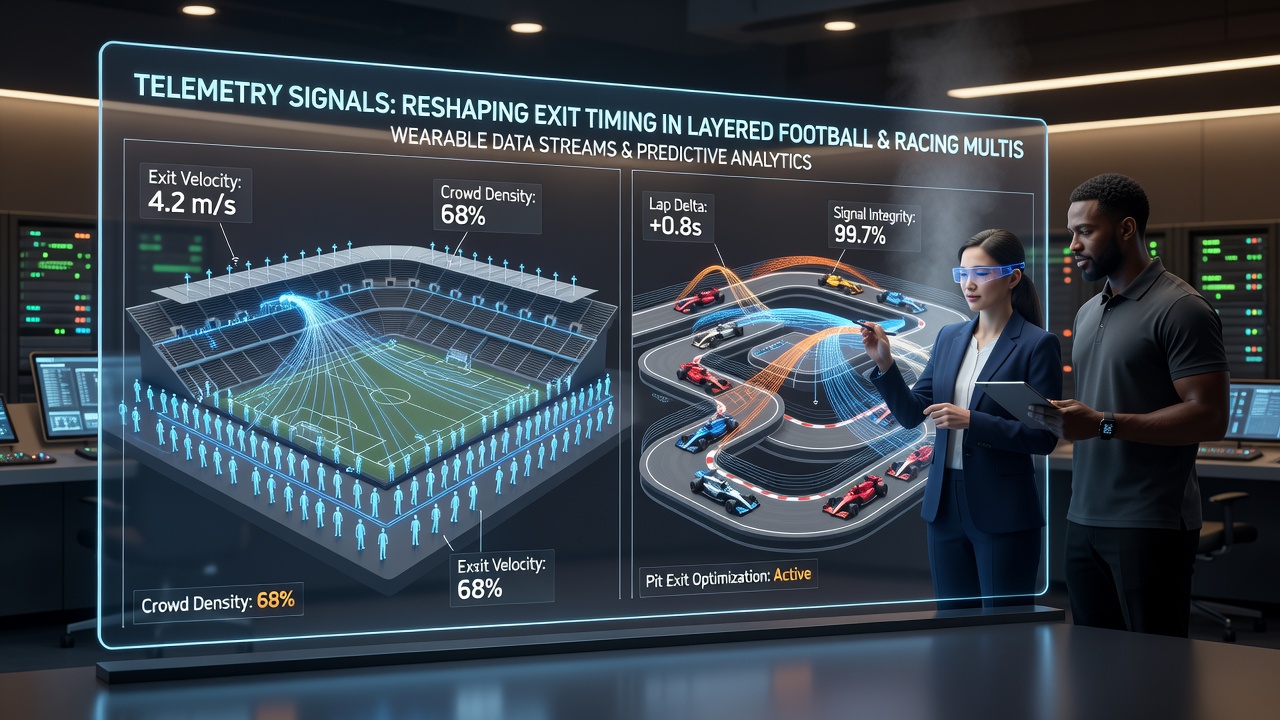
The synchronization of these two data environments creates new decision points. A bettor who placed a five-leg accumulator covering three football matches and two races can monitor a central dashboard that flags when either sport's wearable signals diverge from pre-race or pre-match expectations. Observers note that the combined dataset reduces reliance on subjective visual assessments alone.
Regulatory and Technical Integration
European data-protection rules require explicit consent for biometric collection, yet anonymized aggregate feeds reach licensed betting operators under controlled conditions. The Malta Gaming Authority published guidelines in March 2026 outlining minimum latency standards for telemetry integration, ensuring cash-out offers remain fair when multiple sports run concurrently. Industry reports from the European Gaming and Betting Association indicate that operators using cross-sport telemetry saw a 9 percent increase in cash-out volume during the first half of 2026 compared with the previous year.
Technical infrastructure relies on edge computing nodes located near stadiums and racecourses. These nodes process raw sensor packets locally before transmitting summarized metrics to central servers, keeping latency under 800 milliseconds. Shorter delays matter when a race covers the final furlong in roughly 12 seconds; any lag in data delivery can shift the optimal exit moment.
Case Examples from 2026 Events
During the July 2026 Royal Ascot meeting, several bookmakers offered accumulator products that included both the Commonwealth Cup and concurrent international football friendlies. When one horse's post-race recovery metrics showed elevated lactate levels, the cash-out value on linked football legs moved within four seconds of the official result. Similar adjustments occurred at the Copa América matches where player-load data from midfielders influenced live odds on over/under markets tied to evening racing fixtures.
These developments build on earlier pilots conducted by Canadian provincial regulators, which examined how biometric data could support responsible gambling tools. The resulting frameworks emphasize transparency around how wearable inputs alter offered exit prices, requiring operators to display the primary data points driving each recalculation.
Conclusion
Telemetry integration continues to expand across football and racing markets. As sensor accuracy improves and regulatory frameworks adapt, layered accumulators increasingly rely on objective performance signals rather than static pre-event models. Data from wearables supplies continuous feedback that operators and bettors use to determine precise exit timing, connecting real-time physiological and biomechanical information directly to cash-out calculations in multi-sport products.