Integrating Live Commentary Signals With Market Line Changes For Value Spotting In Soccer And Racing
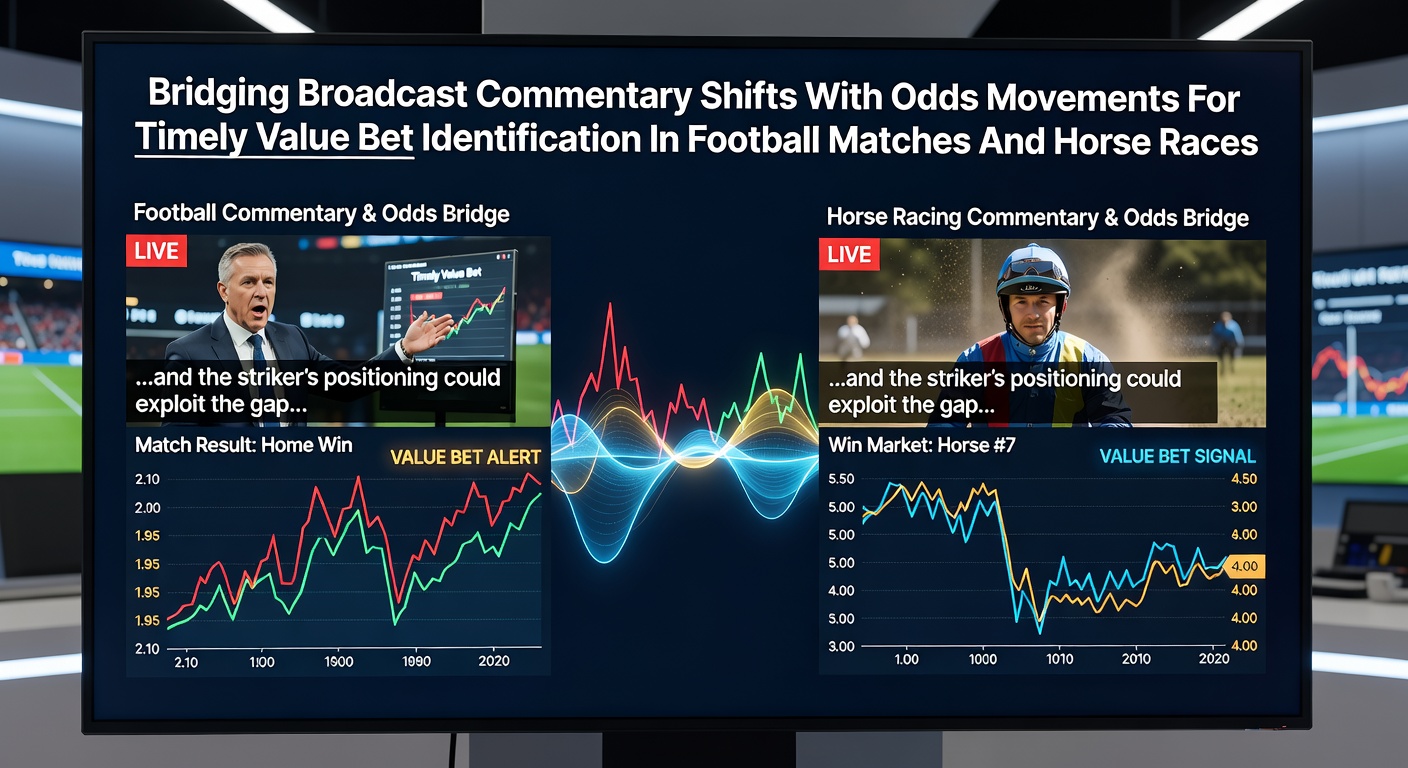
Analysts who track both spoken observations from commentators and simultaneous shifts in betting lines often find opportunities where public perception lags behind emerging details. In football matches and horse races, the pace of spoken updates about player conditions, tactical adjustments, or equine stride patterns frequently precedes measurable line movements, creating brief windows for identification of value positions before broader market adjustments occur.
Commentary Tone And Early Market Reactions In Football
Broadcast descriptions of fatigue indicators or positional changes during the first half frequently align with gradual drifts in over/under markets and player performance props, yet the timing varies by league and broadcaster style. Observers note that when a commentator highlights reduced pressing intensity from a midfielder, Asian handicap lines on the opposing side sometimes tighten within minutes as syndicates incorporate the information faster than recreational bettors. Data from European match tracking services in early 2026 shows average line adjustments accelerating by 12 to 18 seconds after specific verbal cues about substitutions or cramp reports.
Those monitoring both streams simultaneously watch for mismatches where commentary introduces new context while odds remain anchored to pre-match models. A case from a Premier League fixture in April demonstrated how repeated mentions of a fullback's limited recovery speed coincided with a modest drift in corner totals before the line eventually corrected.
Equine Events And Pace Descriptions From The Trackside Booth
Horse racing commentary supplies continuous updates on positioning, breathing patterns, and ground-taking efficiency that can influence place and win markets in running. Researchers tracking flat racing data across UK and Irish courses during spring 2026 found that references to a horse "traveling strongly" or "finding nothing" preceded measurable shortening or lengthening of place odds by an average of 45 seconds when the remarks diverged from pre-race sectional expectations. The pattern appears most pronounced in races exceeding 1 mile 4 furlongs where cumulative energy expenditure becomes audible through commentator phrasing.
Cross-Market Layering Techniques
Professionals combine audio monitoring with automated line alerts to isolate discrepancies across both sports. One documented approach involves logging timestamped commentary keywords against live odds feeds, then flagging instances where verbal information about weather effects on a pitch or track surface precedes corresponding movement in total goals or distance markets. In May 2026 several high-profile festival meetings overlapped with international football fixtures, increasing the volume of simultaneous broadcasts and thereby the number of observable overlaps between spoken updates and market recalibrations.
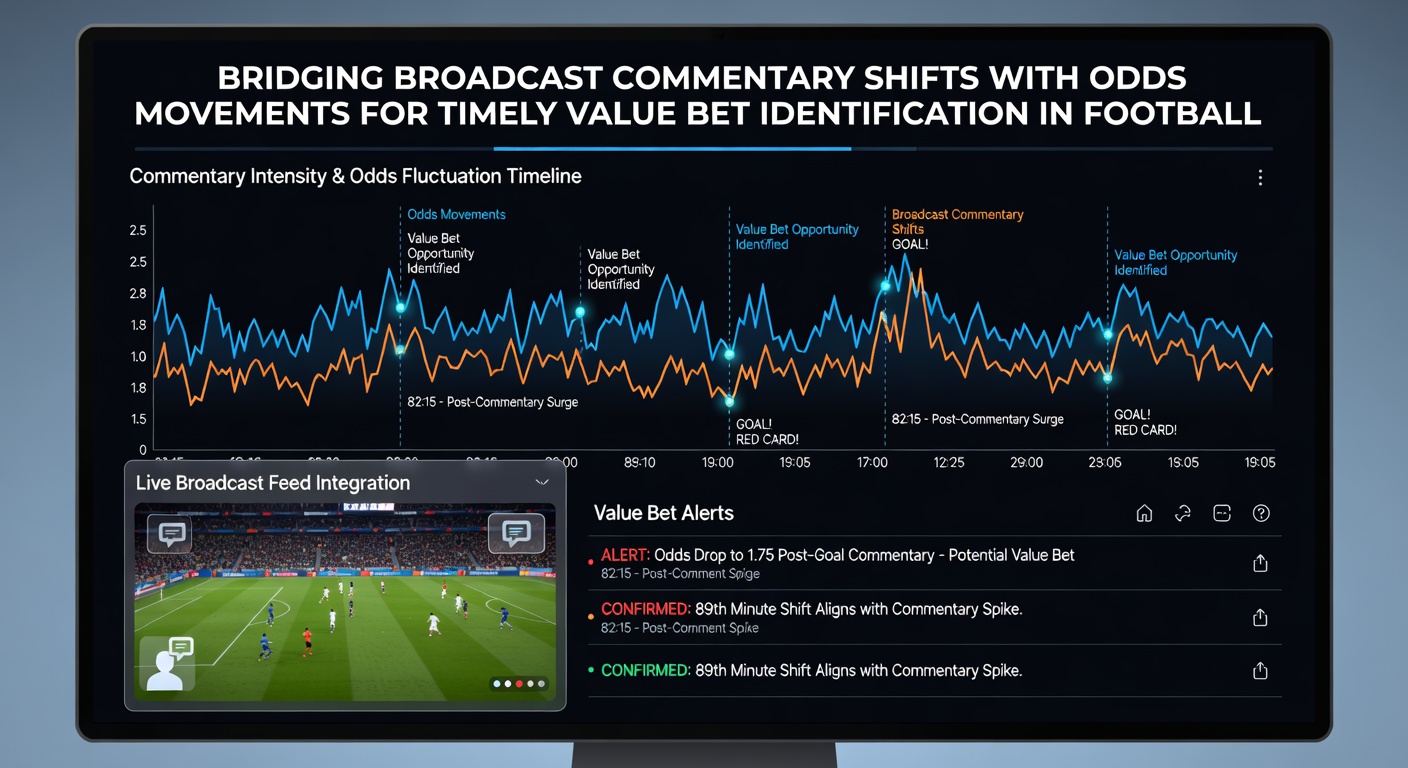
Studies conducted by the University of Sydney's gambling research unit have examined how information velocity differs between televised sports and pari-mutuel versus fixed-odds platforms. Their findings indicate that audio-derived signals reach fixed-odds books more rapidly than tote pools during live racing segments, while football markets tend to show quicker integration on player-specific props than on broader match totals. These timing differentials create measurable intervals where aligned commentary and slower-moving lines may indicate temporary value.
Practical Monitoring Frameworks Used By Analysts
Teams that maintain dual feeds often employ keyword dictionaries tied to specific market types: phrases indicating "second wind" or "shortening stride" map to place and each-way adjustments in racing, while football equivalents focus on phrases about set-piece routines or defensive line height. Australian regulatory data released through the Victorian Commission for Gambling and Liquor Regulation in 2025 highlighted increased use of multi-source monitoring tools among professional syndicates, noting a 27 percent rise in live betting volumes during events where commentary and line feeds were cross-referenced in real time.
Implementation requires calibration for different broadcasters because some adopt more descriptive styles while others remain concise. Markets on lower-profile leagues and meetings show larger lag times, extending the window during which commentary may provide an informational edge before line movement catches up. In contrast, marquee events compress these intervals as more participants monitor both streams concurrently.
Conclusion
Combining broadcast commentary with odds movement tracking supplies a layered method for identifying value positions in football and horse racing markets. The approach relies on documented timing differences between verbal updates and subsequent line adjustments rather than subjective interpretation. As overlapping football and racing schedules continue through 2026, the volume of observable instances where these two information streams diverge is expected to remain substantial, supporting continued examination of synchronized monitoring techniques across both sports.