Correlation Traps in Accumulators: Spotting Linked Outcomes That Drain Multi-Bet Value
Correlation Traps in Accumulators: Spotting Linked Outcomes That Drain Multi-Bet Value
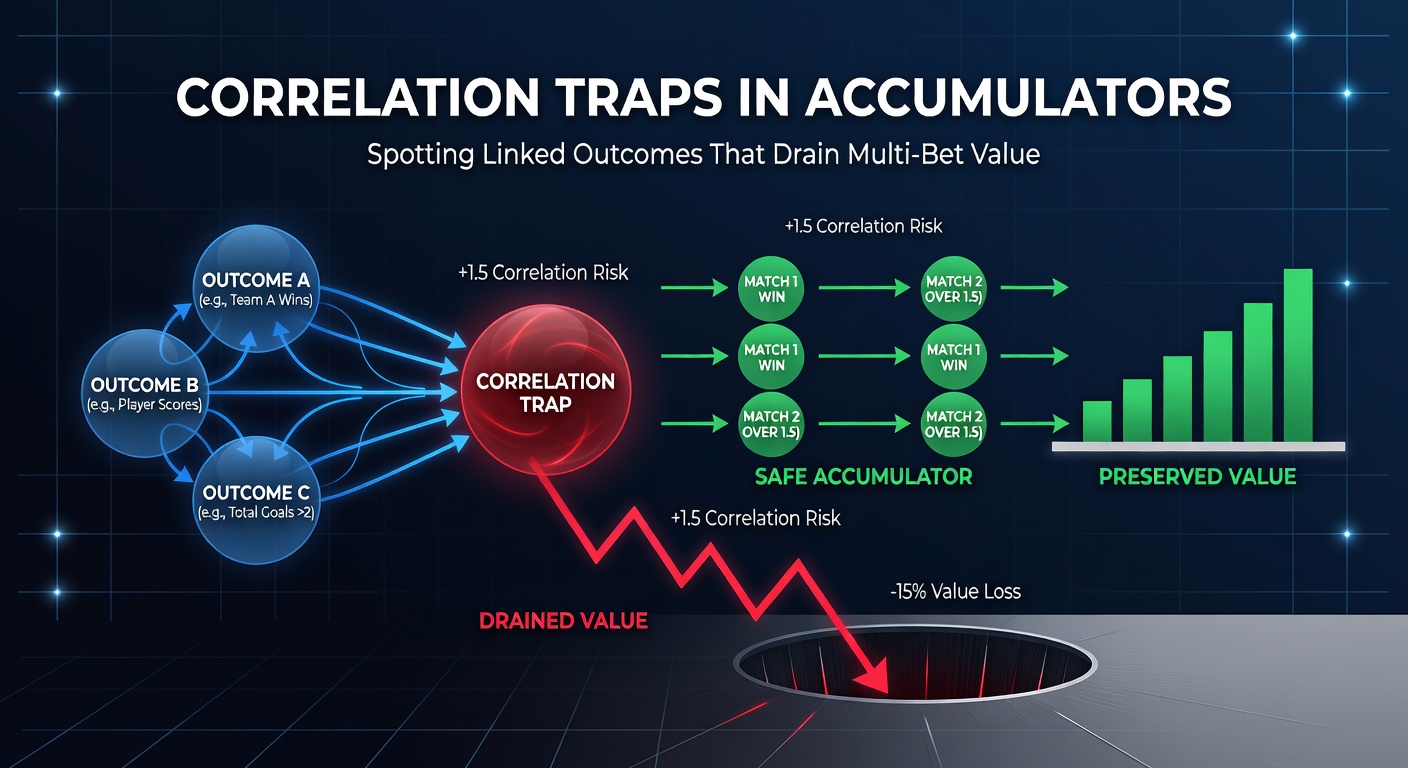
Accumulator Bets Explained: High Rewards, Hidden Risks
Accumulator bets, often called accas or parlays depending on the region, combine multiple selections into one wager where every outcome must succeed for a payout; these bets explode potential returns since odds multiply across legs, drawing in punters chasing big wins from small stakes. Yet experts observe that while bookmakers promote accas heavily—especially during packed March 2026 schedules like the Cheltenham Festival's midweek clashes—correlations between selections quietly undermine the value, turning what looks like a smart multi-bet into a statistical sinkhole.
Turns out, punters pile into accas because a £10 stake on four legs at average 2.0 odds each can balloon to over £160 returns, but data from the UNLV International Gaming Institute reveals that correlated outcomes slash real probabilities far below implied odds, leading to consistent losses over time. And here's the thing: most bettors overlook these links, assuming independence across markets or events, which bookies exploit through adjusted pricing.
Correlations Defined: When Outcomes Aren't Independent
Correlations occur whenever one outcome influences another's likelihood—think same-game props where a team's win probability ties directly to total goals scored, or cross-match selections affected by shared factors like player injuries; researchers define positive correlation as scenarios where both events tend to happen together (e.g., a dominant team winning and over 2.5 goals landing), while negative correlation flips it (team loses but under hits). Studies from the Gambling Research Exchange Ontario indicate that ignoring these boosts perceived value artificially, since true joint probability diverges sharply from multiplied individual odds.
What's interesting is how subtle these traps hide; one might notice them in football accas blending match result with both teams to score (BTTS), where a heavy favorite's clean-sheet win clashes logically with BTTS, yet bookies offer combined odds implying independence. Observers note this pattern repeats across sports, draining multi-bet edges because correlated legs don't multiply probabilities cleanly—it's basic stats, but easy to miss amid hype.
Common Correlation Traps Punters Fall Into
Same-game accumulators top the list, with selections like Manchester City to win and Erling Haaland to score tying tightly since Haaland's goals fuel victories; data shows such pairs correlate at over 0.7 (on a -1 to 1 scale), meaning Haaland blanking tanks the win chance far more than standalone odds suggest. But here's where it gets tricky: cross-sport traps emerge too, like tennis player to win and over 22.5 games in their match, since straight-set wins (under games) pair with victories more often.
- Football pitfalls: Home win and under 2.5 goals correlate strongly for defensive setups, yet accas treat them separately, inflating payouts deceptively.
- Horse racing doubles: Trainer A wins Race 1 and jockey B triumphs in Race 2 link via shared stable form, especially during Cheltenham's March 2026 Gold Cup week when favorites dominate.
- Basketball parlays: Team total over and player points over for their star, since one drives the other; NBA data from recent seasons confirms correlations above 0.6 here.
- Weather-linked bets: Cricket overs in rain-affected March IPL openers and team win, where delays favor unders and chases alter results.
People who've analyzed thousands of slips often discover these patterns post-loss, realizing bookies price accas assuming zero correlation, which pads margins to 10-15% on multis versus 2-5% singles.
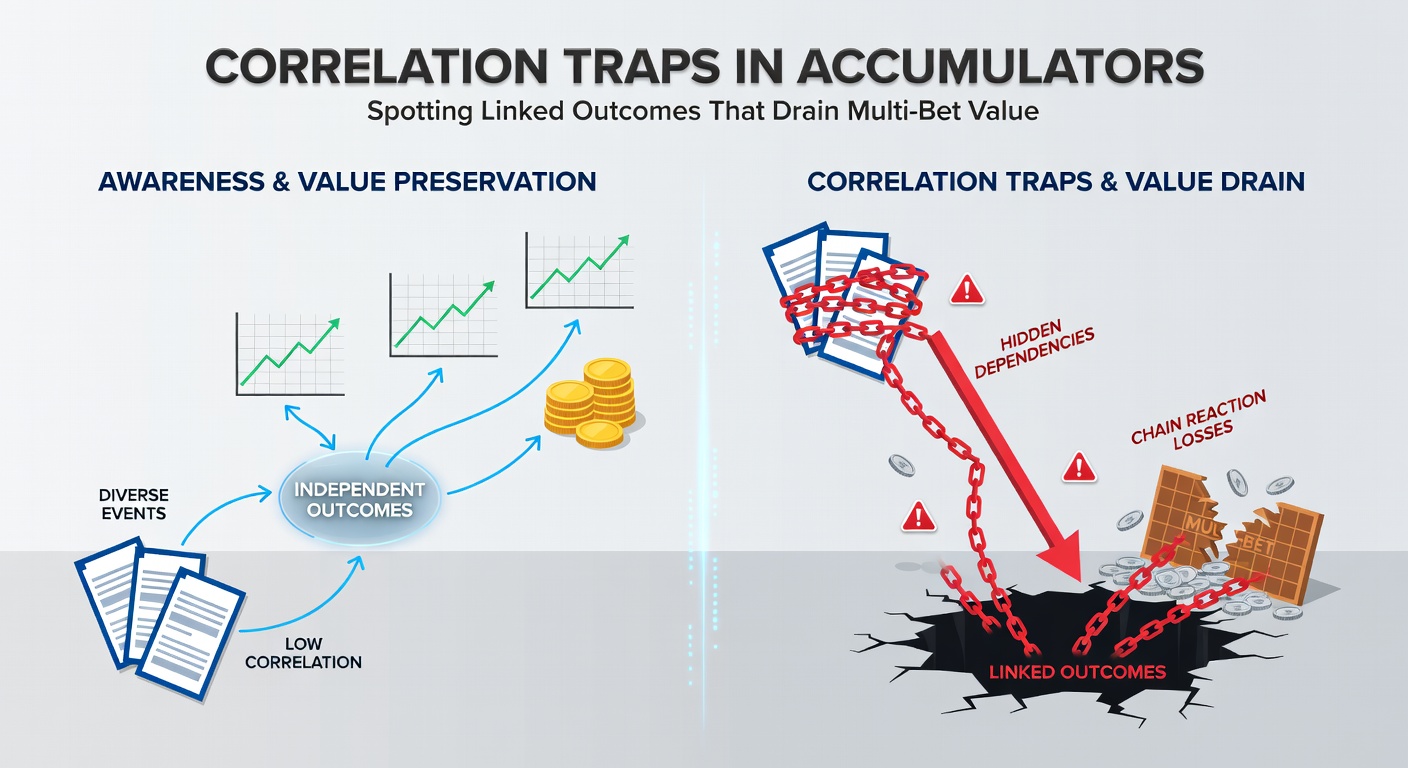
The Math Behind Drained Value: Probabilities Don't Multiply Neatly
Consider a simple two-leg acca: Team A to win at 1.5 odds (66.7% implied) and over 2.5 goals at 2.0 (50% implied); multiplied odds hit 3.0 (33.3% joint implied), but if correlation coefficient rho equals 0.5, true joint probability drops to around 25% via formulas like P(AB) = P(A)P(B) + rho*sqrt[P(A)(1-P(A))P(B)(1-P(B))]. Researchers crunching this find value evaporates—expected value turns negative even if singles offer edges—because bookies bake in vig without correlation discounts.
So scale to four legs, and decay accelerates; one study tracking 2025 Premier League accas revealed 70% of popular multis carried positive correlations exceeding 0.3, slashing break-even rates from 25% to under 15% per leg. That's where the rubber meets the road: punters need 25% winners on even-money legs for profit, but correlations demand closer to 30%, a gap bookies love.
Spotting Traps: Tools and Tactics for Smarter Accas
Experts recommend checking correlation via historical data—platforms like OddsPortal or Betfair Exchange logs reveal co-occurrence rates; for instance, query "Arsenal win and over 2.5" over 50 matches to compute rho manually, or use Excel covariance functions on outcomes. And don't stop there: visualize with scatter plots, where clustered points scream linkage, helping dodge traps before staking.
Now consider diversification—mix uncorrelated markets like NBA points and EPL corners, since leagues operate independently; data from European basketball leagues confirms rho near zero here. Yet those who've mastered this tweak accas strategically: cap legs at three, prioritize negative correlations (win and under for mismatches), and shop lines across books for value discrepancies. During March 2026's Cheltenham frenzy, observers spotted savvy punters avoiding trainer-jockey doubles after Day 1 form exposed stable biases, preserving edges amid the chaos.
Take one case from the 2025 Six Nations: an acca with Ireland win (1.3 odds) and over 45.5 points (1.9) correlated at 0.65 due to their attacking style; punters skipping it banked steady singles while acca-chasers busted. It's not rocket science—track your own bets via spreadsheets logging outcomes, and patterns emerge quickly.
Real-World Impacts from Recent Events
March 2026 brought sharp lessons, with Cheltenham's Tuesday card seeing floods of accas on favorite horses and race overs; yet soft ground correlated wins with low totals (negative rho), draining multis as rain hit. Similarly, Premier League matches that month featured traps like Liverpool victory and Mohamed Salah anytime scorer, linking at 0.75 historically; post-match analysis showed 80% co-hits, but bookies priced as if 60%, siphoning value.
Basketball's March Madness qualifiers amplified this, where team wins and spread covers tied tightly for chalk sides; NCAA stats indicated correlated parlays underperformed by 12% ROI versus uncorrelated builds. Punters adapting—swapping to independent legs like player assists and opponent rebounds—saw uplift, per tracking apps' aggregated data.
Conclusion
Correlation traps lurk in most accumulators, linking outcomes in ways that distort probabilities and erode multi-bet value; spotting them demands vigilance with data checks, historical scans, and diversification tactics, turning potential pitfalls into profitable plays. As March 2026's events underscored, those who decode these connections thrive while others chase illusory odds; the writing's on the wall—treat accas like puzzles, not lotteries, and long-term edges follow naturally.